With the glow of our phones lighting up late-night scrolling sessions, many of us wonder: Is that screen time before bed sabotaging my sleep? For women especially, understanding how blue light affects melatonin production — the hormone that signals our brains it's time to wind down — is a key piece of the puzzle. Sleep isn’t just about rest; it’s foundational to overall health, mood stability, and hormonal harmony.
Let’s unpack the science in practical terms, zoom in on the unique sleep disruptors women face across life stages, and explore how mental load and bedtime anxiety can make the effects of blue light feel even worse. Plus, I’ll share a handy tool you can use to calculate your ideal sleep window based on your age and lifestyle: the Women In Balance Sleep Calculator. Spoiler: it’s simple and a great first step toward stellar sleep hygiene.
Why Sleep Is the Foundation of Overall Health
Before we talk blue light, a quick refresher on why sleep matters so much. It’s not just about feeling rested. Sleep is when your brain clears out metabolic waste and consolidates memories. Your body releases hormones that control hunger, stress, and repair damage. Skimp on sleep and many systems go haywire: immune function weakens, insulin sensitivity drops, mood swings rise — and hormone regulation falters.
That means poor sleep can ripple through your entire well-being, increasing risks for chronic conditions like diabetes, heart disease, anxiety, and depression. Women, in particular, may feel these effects acutely because hormonal fluctuations across menstrual cycles, pregnancy, and menopause shape sleep quality and duration needs uniquely.
Blue Light and Melatonin: What’s Going On?
Phones, tablets, and computer screens emit blue wavelength light — the same type of light our eyes respond to in daylight to stay alert and awake. This blue light tricks the brain’s internal clock, called the circadian rhythm, into thinking it’s still daytime. The brain then suppresses melatonin production, a hormone responsible for signaling it’s nighttime and time to rest.
Reduced melatonin means it’s harder to fall asleep and get quality deep sleep. Research shows that exposure to blue light 1-2 hours before bedtime lowers melatonin levels significantly, delaying sleep onset and reducing total sleep time.
Key point: The closer and longer you are exposed to your phone screen before hitting the sack, the greater the chance melatonin production is suppressed — making you feel awake when you really want to wind down.
Women-Specific Sleep Disruptors Across Life Stages
For women, sleep challenges can also stem from hormonal shifts interacting with environmental factors like blue light exposure:
- Menstrual Cycle: Fluctuations in estrogen and progesterone influence sleep architecture. For example, progesterone tends to promote sleepiness, but levels dip sharply before menstruation, sometimes causing restless nights. Pregnancy: Rising hormones, physical discomfort, and frequent bathroom trips disrupt sleep. Evening blue light exposure can compound difficulty falling asleep when your body already feels off-kilter. Perimenopause and Menopause: Decreasing estrogen and progesterone may increase insomnia and night sweats, reducing sleep quality. Since melatonin levels naturally decline with age, blue light’s suppressive effects on melatonin can be even tougher to overcome.
So, limiting screen time before bed isn’t just a nice-to-have habit — it’s crucial for women managing these hormonal transitions to preserve restorative sleep.

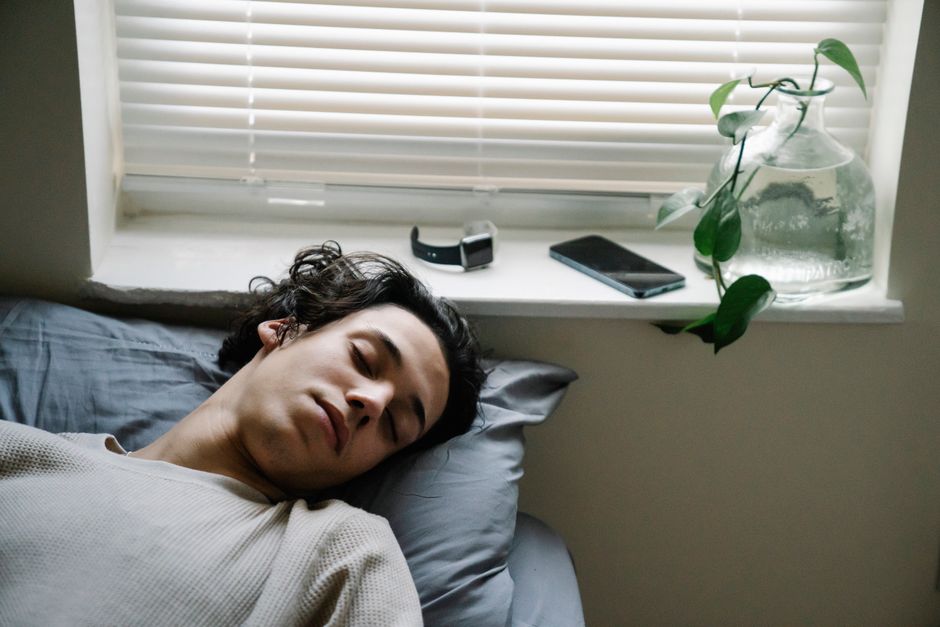
The Double Whammy: Mental Load and Bedtime Anxiety
Here’s where many women hit a double whammy. Alongside biological changes, mental load — the ongoing planning, organizing, and emotional juggling of daily life — can trigger bedtime anxiety and racing thoughts. Even if your blue light exposure is minimal, an overactive mind can delay sleep onset and keep you tossing and turning.
This mental noise can be worsened by late-night screen use, too. Social media or work emails may spike stress hormones, while the blue light keeps melatonin at bay. It’s a feedback loop that’s tough to break but manageable with some intentional strategies.
Practical Steps for Better Sleep Hygiene
Good news: addressing blue light doesn’t mean you have to banish your gadgets completely (because who has the willpower?). Here are realistic, expert-backed tweaks that work:
Limit screen time at least 60 minutes before bed. Use that time for calming activities like reading (on paper), gentle stretches, or a 10-minute wind-down ritual — a simple way to signal your brain to shift gears. Use blue light filters or “night mode” on your devices. These reduce the blue wavelength but don’t eliminate it completely, so they’re helpful but not foolproof. Keep your bedroom screen-free. Charging devices outside the bedroom helps prevent night-time scrolling temptations. Jot down worries in a notebook before bed. I keep a paper notebook by the bed to brain dump anxious thoughts — it clears mental clutter and helps me feel more grounded. Stick to a consistent sleep schedule. Going to bed and waking up around the same time daily supports your circadian rhythm naturally. Try the Women In Balance Sleep Calculator. This tool factors in your age and lifestyle to recommend an ideal sleep window aimed at optimizing melatonin production and overall sleep hygiene.Your Personalized Sleep Calculator: A Quick How-To
Using the Women In Balance Sleep Calculator is straightforward and empowering. Here’s how to get started:
Step Action 1. Enter your age and typical wake-up time. 2. Answer questions about lifestyle factors like stress level and activity. 3. Receive a personalized recommended bedtime window to align with your body's melatonin rhythm.Knowing this window helps you plan your evening routine — including when to switch off screens — to maximize natural sleep readiness.
Bottom Line
Does blue light from your phone really keep you womeninbalance.org awake? Yes, to a meaningful degree. It delays melatonin release and tricks your brain into feeling alert, especially when used close to bedtime. However, for women, this effect is intertwined with hormonal changes and mental load that can amplify sleep challenges.
You don’t have to go cold turkey on devices, but prioritizing a screen-free wind-down ritual, using blue light filters, and applying consistent sleep hygiene goes a long way. Pair that with personal insights from the Women In Balance Sleep Calculator, and you're setting up your mind and body for balanced sleep — and overall health — night after night.
Remember: good sleep is the ultimate act of self-care, restoring the foundation for your hormones, brain function, and emotional resilience. Try these doable strategies tonight, and see how much more refreshed you feel tomorrow.