As a former restaurant line cook turned recipe developer with over a decade in home-kitchen testing and four years reviewing CBD pantry products, I’ve heard the chatter: “Light degrades CBD tincture!” But is that an honest truth, or just CBD oil in salad dressing a marketing tactic? Spoiler alert: it’s a bit of both — but you should know exactly why, how much, and how to protect your precious tincture correctly.
The Science: What Really Happens to CBD Tincture When Exposed to Light?
CBD tinctures are botanical extracts mixed typically in a carrier oil like MCT oil or hemp seed oil. Cannabinoids such as CBD are naturally sensitive compounds. It’s well-known that heat degrades cannabinoids and aroma compounds — that’s why Joy Organics, a leader in quality especially under the USDA National Organic Program, recommends adding CBD tincture off heat at the end of cooking.
When it comes to light, the concern is that ultraviolet (UV) and high-energy visible light can lead to oxidation, breaking down CBD molecules and other delicate compounds over time. However, the rate and the extent of this degradation depend heavily on:
- Light intensity and type (UV light is a bigger culprit than indoor lighting) Duration of exposure Packaging material Presence of antioxidants in the carrier oil
In practical terms, CBD tincture does degrade when exposed to direct sunlight or intense lighting over prolonged periods, but incidental exposure in normal home lighting is unlikely to cause significant loss of potency.
Why the Amber Glass CBD Bottle Is More Than Just a Pretty Face
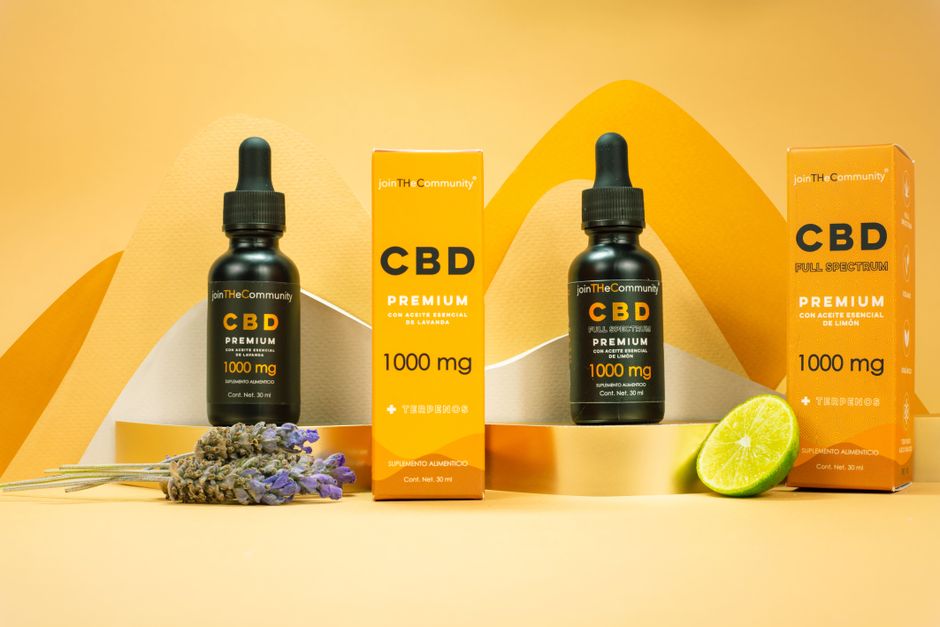
One common recommendation is always to buy CBD tinctures packaged in an amber glass CBD bottle. This isn’t just marketing fluff — amber glass provides a natural UV filter that blocks a significant portion of UV light. Clear glass bottles, on the other hand, offer near zero protection. Plastic is generally not recommended because it can be permeable and allow light to degrade the tincture faster, as well as potentially leach chemicals.
The right packaging paired with proper storage minimizes light-induced degradation. Joy Organics, for example, ensures their products are in amber glass bottles with the dropper featuring a fill line for accurate dosing, helping you get consistent CBD per use — another mark of product quality and care.

How Heat and Light Together Affect Your CBD Tincture
If you’ve ever seen recipes just say “add CBD at the end,” there’s a good reason for it. Heat degrades cannabinoids at a faster rate than light alone. Even the aromatic terpenes, which contribute to taste and benefits, are sensitive to heat.
For example, if you add your CBD tincture to a boiling pot or a hot pan, you lose a good chunk of the potency and flavor. Instead, try these best practices:
This method preserves both the effects and culinary complexity of the CBD tincture while working with natural degradation processes.
It’s Not Just About Light and Heat — Carrier Fats Matter, Too
Many home cooks and CBD users ask, “Can I add tincture to a water-only drink?” The short answer: avoid it unless you add fat first. CBD molecules are fat-soluble, which means they dissolve and disperse better in fat-containing mediums. Mixing it directly into just water results in separation and uneven dosing — something I often note in my 'works well' vs 'waste of money' notebook.
Fat-based carriers like:
- MCT oil (common in tinctures) Olive oil Full-fat dairy or coconut milk
help distribute cannabinoid molecules evenly. So if you want to add tincture to a smoothie or coffee, add a little butter, cream, or any lipid first to optimize absorption and flavor integration.
Storage Tips: Why You Should Store CBD in a Cupboard, Not on the Counter
Now, about that popular advice to store CBD in cupboard — it’s often glossed over but very important. A cupboard or dark pantry limits light exposure and reduces temperature fluctuations compared to kitchen counters or windowsills. Even if your bottle is amber glass, storing in a cool, dark place ensures optimal freshness.
Keep in mind, refrigeration isn’t necessary unless you live in a hot climate, but always avoid places where heat accumulates (like next to stoves or ovens).
Summary Table: Key Factors for Protecting Your CBD Tincture
Factor Impact on CBD Best Practice Light (UV and intense visible) Can speed up oxidation & degrade cannabinoids Use amber glass CBD bottle; store in cupboard Heat (high temperatures) Degrades CBD and aroma compounds rapidly Add tincture off heat, at end of cooking Storage location Light and temperature fluctuations reduce shelf life Keep bottle in cool, dark cupboard, away from heat Carrier medium Fat-based carriers disperse and absorb cannabinoids better Use fat-containing foods/drinks or add fat before mixingTrust but Verify: Using Tools Like Google Analytics to Gauge Consumer Behavior
In the CBD marketplace, data-driven companies often rely on tools like Google Analytics not only for website traffic but also to gauge how customers search for terms like “light degrades CBD tincture” or “amber glass CBD bottle.” This insight helps producers and educators know what info people need — to refine product design, packaging, and usage advice for everyday users just like you.
From my notebook, many users get sold on “no light ever” but miss the nuance about correct storage away from heat and dosing accuracy. That’s why the dropper with fill lines from Joy Organics is a win — no vague “just add a dropper” jazz, but measured dosing every time, preserving both potency and budget.
The Bottom Line: Is “Light Degrades CBD” Marketing Hype?
Not exactly. Light does degrade CBD tincture — but it depends on intensity, packaging, and storage. Using an amber glass CBD bottle really helps, especially combined with smart storage like a cupboard or pantry. Heat is far more destructive than light, so always add your tincture off heat at the end of cooking or preparation.
Also, remember that fat-based carriers are your friend when it comes to how CBD disperses and absorbs. Avoid mixing tincture directly into water-only drinks unless you pre-mix fats for proper emulsification.
Understanding these scientific nuances—not just marketing slogans—helps you make smarter choices, avoid wasting your stash, and most importantly, enjoy CBD with maximum benefit.
If you have questions or want practical recipe tips for cooking with CBD tincture, drop a comment or message—your kitchen-tested friend is here to help!